
What is the Standard Size of a System Scaffold Pipe?
- By: Nova Construction Team
- Published:
- Updated: March 11, 2026
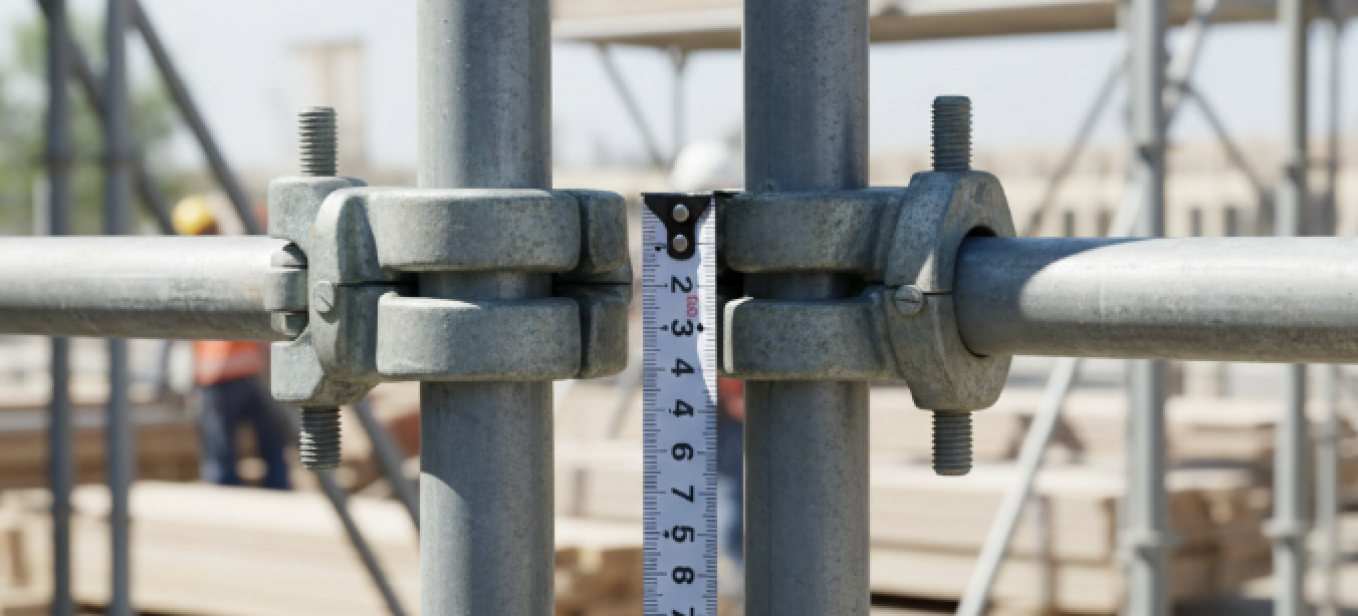
Scaffolding pipes form the backbone of temporary work platforms across construction sites worldwide. Understanding pipe dimensions ensures compatibility between components and maintains structural safety. The standard outer diameter for scaffolding pipe measures 48.3mm, a specification recognized internationally across different construction standards. This consistency allows fittings, couplers, and components from various manufacturers to work together reliably.
The 48.3mm Standard Explained
The outer diameter of 48.3mm, approximately 1.9 inches, dominates scaffolding systems globally. This measurement comes from British and European standards including BS 1139 and EN 39, which have influenced construction practices worldwide. The specification ensures that scaffold tubes from different sources remain compatible with standard couplers, clamps, and fittings.
Why 48.3mm instead of a round number? Historical reasons explain this seemingly odd dimension. Early scaffolding pipes in Britain used measurements based on internal diameter. As manufacturing improved and steel quality increased, pipe walls could be made thinner while maintaining the same external dimensions. The outer diameter stayed constant at 48.3mm to preserve compatibility with existing fittings and couplers. This standardization proved more important than converting to metric round numbers.
Some people refer to scaffolding pipe as “1 1/2 inch” tube based on old nomenclature. However, 1.5 inches converts to only 38.1mm. The actual outer diameter of 48.3mm equals approximately 1.9 inches. This naming confusion stems from historical measurement systems that referenced internal rather than external dimensions. Modern specifications always cite outer diameter because that’s what matters for fitting compatibility.
Wall Thickness Variations
Standard scaffolding pipe comes in different wall thicknesses to suit various applications. The two most common wall thicknesses are 3.2mm and 4.0mm, sometimes designated as Type 3 and Type 4 respectively. These thickness options provide flexibility for different load requirements and project specifications.
Type 4 scaffolding pipe with 4.0mm walls offers maximum strength for heavy-duty applications. High-rise construction, industrial facilities, and projects with significant load requirements typically specify this heavier gauge. The increased wall thickness provides higher load-bearing capacity and greater durability under demanding conditions.
Type 3 scaffolding pipe at 3.2mm wall thickness works well for lighter applications where weight reduction matters. This thinner option remains plenty strong for many commercial projects while being easier to handle and transport. Some regions, particularly in Southeast Asia, use even thinner wall scaffolding pipes down to 2.4mm for specific applications.
The wall thickness directly affects pipe weight. A standard 6-meter length of 48.3mm pipe with 4.0mm walls weighs approximately 25-28 kilograms. The same length with 3.2mm walls drops to about 20-22 kilograms. This weight difference becomes significant when workers handle hundreds of pipes during pipe scaffolding erection.
Standard Pipe Lengths
Scaffolding pipes come in standardized lengths to facilitate efficient construction planning. The most common lengths range from 1 meter to 6.4 meters, with 6 meters being extremely popular for general construction work. These standard lengths allow contractors to design scaffolding layouts that minimize cutting and waste.
Common standard lengths include:
- 1.0 meter (3.3 feet) for short connections and bracing
- 2.0 meters (6.6 feet) for intermediate spans
- 3.0 meters (9.8 feet) for standard horizontal runs
- 4.0 meters (13.1 feet) for longer spans
- 6.0 meters (19.7 feet) for maximum standard length
- 6.4 meters (21 feet) as the longest commonly available size
Custom lengths can be cut from standard stock when projects require specific dimensions. However, maintaining standard lengths wherever possible simplifies logistics, reduces costs, and ensures proper load distribution across the scaffold structure.
Material Specifications
Steel dominates scaffolding pipe manufacturing due to its strength and cost-effectiveness. Most scaffold pipes use carbon steel that meets specifications like S235, S355, STK400, or STK500 depending on the standard being followed. These steel grades provide the tensile strength and yield characteristics necessary for safe load bearing.
Galvanized steel pipes receive a protective zinc coating that prevents corrosion. This galvanization proves essential for outdoor construction where moisture exposure is constant. The zinc layer extends pipe life significantly compared to bare steel. Steel restoration becomes necessary when scaffolding components show excessive rust or corrosion damage.
Aluminum scaffold pipes offer an alternative to steel in specific situations. Aluminum tubes typically maintain the same 48.3mm outer diameter for compatibility but use approximately 5.0mm wall thickness to achieve comparable strength. The lighter weight makes aluminum pipes easier to handle and transport, particularly valuable for projects requiring frequent scaffold relocation.
However, aluminum pipes cost more than steel and don’t provide the same load-bearing capacity. They work well for smaller projects, jobs in coastal areas where corrosion resistance matters, or applications where workers will repeatedly assemble and dismantle scaffolding. The anti-rust properties of aluminum eliminate galvanization requirements.
International Standards Compliance
Different regions follow various national and international standards for scaffolding pipes. BS 1139 originates from Britain and specifies the 48.3mm outer diameter with wall thickness of either 3.2mm or 4.0mm. This standard influenced scaffolding practices across Commonwealth countries and beyond.
EN 39 serves as the European standard requiring 48.3mm outer diameter and minimum 3.2mm wall thickness. This specification ensures compatibility across European Union construction sites. The standard includes requirements for testing, marking, and quality control of scaffold tubes.
Chinese standard GB/T 3091 commonly specifies 48.3mm outer diameter with 3.5mm wall thickness. Japanese standard JIS G3444 calls for 48.6mm outer diameter pipes with 2.4mm walls. These slight variations require attention when mixing components from different manufacturing sources.
ASTM standards in the United States reference similar dimensions, though American construction also uses other scaffolding systems with different pipe sizes. When specifying scaffolding pipes for projects, confirming which standard applies prevents compatibility issues during construction.
Choosing the Right Pipe Size
Project requirements dictate which scaffolding pipe specifications make sense. High-rise construction demands 48.3mm diameter pipes with 4.0mm walls for their superior load-bearing capacity. Building heights above six stories typically require the stronger Type 4 pipes to handle worker loads, material storage, and dynamic forces from construction activity.
Smaller projects under 40 feet tall can often use 3.2mm wall thickness pipes without sacrificing safety. The lighter weight reduces worker fatigue during setup and saves on transportation costs. Projects planning extensive suspended scaffolding installations might prioritize lighter pipes to reduce loads on suspension points.
Environmental conditions influence material selection. Coastal projects and areas with high humidity benefit from galvanized steel or aluminum pipes that resist corrosion. Interior work or temporary installations in dry climates might accept bare steel pipes at lower cost.
Budget considerations matter, though safety cannot be compromised to save money. Thicker-walled pipes cost more but provide greater strength and longevity. Aluminum pipes command premium prices but offer advantages in specific applications. The total project scope and duration help determine which initial investment makes economic sense.
Measuring and Verifying Pipe Dimensions
Contractors should verify pipe dimensions before incorporating them into scaffolding systems. Outside diameter measurements use calipers or micrometers placed across the pipe’s circular cross-section. Clean the pipe surface before measuring to ensure accurate readings without dirt or coating interference.
Wall thickness gets measured either by cutting a sample section or using ultrasonic thickness gauges. The measurement confirms whether pipes meet specified standards. Mixing pipes of different wall thicknesses creates safety concerns because couplers and calculations assume consistent strength throughout the structure.
Visual inspection catches obvious defects like bent pipes, damaged ends, or excessive corrosion. Scaffold tubes must be straight without kinks, dents, or other damage that compromises structural integrity. Any questionable pipes should be removed from service rather than risk worker safety.
Compatibility with Fittings and Couplers
The standardized 48.3mm outer diameter ensures that fittings work reliably. Scaffold couplers, whether swivel, right-angle, or sleeve types, are manufactured to grip pipes of this specific diameter. Even small variations in pipe diameter create loose connections that fail under load.
This compatibility extends beyond basic couplers. Base plates, adjustable jacks, board brackets, and other accessories all design around the standard 48.3mm pipe. Using non-standard diameter pipes forces contractors to source matching specialty fittings, if available at all. The incompatibility creates safety risks and project delays.
International construction projects benefit from this standardization. Contractors can ship scaffolding components globally knowing they’ll integrate with locally available pipes. This interoperability reduces costs and simplifies logistics for multi-site construction programs.
How Nova Construction Can Help You
Nova Construction Services maintains extensive scaffolding pipe inventory in standard sizes meeting BS 1139 and EN 39 specifications. Projects requiring structural shoring or temporary support receive properly sized components rated for their specific load requirements.
The company’s experience with facade restoration projects means understanding which pipe specifications work best for different building types and construction phases. High-rise work gets equipped with 4.0mm wall pipes while smaller projects receive appropriate lighter-gauge materials.
Proper scaffold design considers pipe dimensions, spacing, bracing requirements, and load distribution. Engineering support ensures that scaffolding systems meet both safety standards and project access needs. From initial planning through final dismantling, correct pipe selection contributes to safe and efficient construction operations.
Contact Nova Construction Services to discuss scaffolding requirements for your next construction or maintenance project. The team can specify appropriate pipe sizes and scaffold configurations that meet your project goals.
Got a project in mind?
Let’s talk with Local Law 11 Experts about bringing your construction vision to life!
