
What Is Local Law 11 and Who Is Responsible for Compliance?
- By: Nova Construction Team
- Published:
- Updated: August 12, 2026
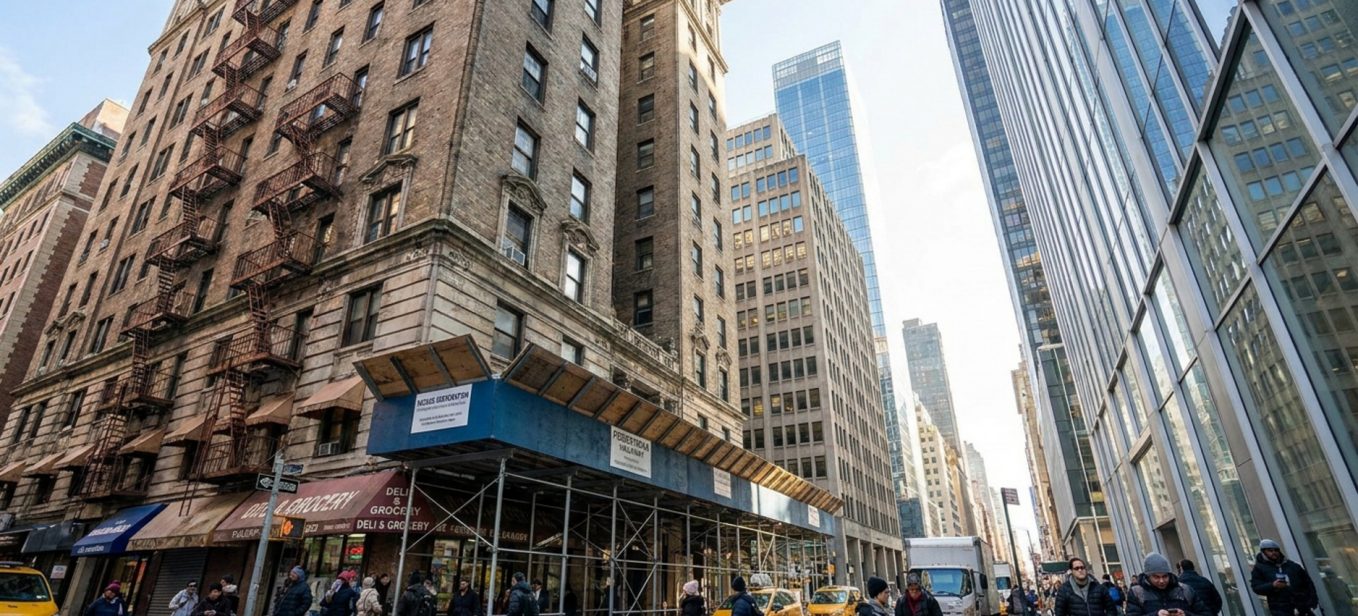
New York City has many tall buildings, from skyscrapers to older apartment buildings. Keeping people safe on the sidewalk is a big priority. That is where Local Law 11 comes in.
Local Law 11 is a New York City rule that requires regular inspections of building facades (the outside walls). The goal is to help prevent pieces of a building from falling and to keep exterior walls in safe condition.
As for who is responsible, the final legal responsibility for compliance (hiring the inspector, filing paperwork, and doing needed repairs) belongs to the property owner.
What Is Local Law 11 (FISP)?
Local Law 11 is officially called the Facade Inspection Safety Program (FISP). New York City buildings face rain, wind, temperature changes, pollution, and simple wear over time. All of that can weaken brick, stone, metal, and other parts of the exterior.
This law works like a regular checkup for the outside of a building. It is meant to find problems early, before they become dangerous for people who live, work, or walk nearby. It is a safety rule meant to reduce the risk of facade failures.
What Is the Purpose of Local Law 11?
The main purpose of Local Law 11 is simple: protect the public. The law was created after serious accidents where parts of buildings fell and caused injuries and deaths. It requires building owners to inspect exterior walls on a schedule and fix conditions that could become unsafe.
This is not just about filling small cracks. A full inspection can identify:
- Loose or damaged bricks, stones, or facade panels
- Weak or corroded metal supports and anchors
- Water damage that can lead to future deterioration
- Items attached to the exterior (like railings or decorative features) that may be unsafe
By pushing routine inspections, the city promotes regular maintenance instead of waiting for emergencies. This also helps protect older architecture and keeps buildings safe over the long term.

When Did Local Law 11 Go Into Effect?
Local Law 11 started from Local Law 10 of 1980, created after a fatal accident involving falling masonry. The version most people refer to today took effect in 1998 as Local Law 11/98.
That update followed another tragic event in 1997 and led to stricter and wider inspection requirements. Since then, the program has used a repeating inspection cycle, meaning buildings are checked every five years-not just once.
How Does FISP Relate to Local Law 11?
FISP and Local Law 11 refer to the same program. FISP is simply the current official name for what many people still call “Local Law 11.” FISP stands for “Facade Inspection Safety Program,” which clearly describes what the rule does.
Under FISP:
- A building that meets the requirements must have its exterior walls and related parts inspected every five years.
- The inspection must be performed by a Qualified Exterior Wall Inspector (QEWI).
- The QEWI files a report with the NYC Department of Buildings (DOB), describing the facade condition and listing required repairs.
Which Types of Buildings Must Comply With Local Law 11?
A key step in following Local Law 11 is knowing whether a building is covered by the rule. It does not apply to every building in the city. It focuses on buildings where height increases the risk of falling debris reaching sidewalks and public areas.
Taller buildings also tend to have more exterior surface area and more exposure to weather, which can lead to more wear over time.
Are All Buildings in NYC Subject To Local Law 11?
No. Local Law 11 does not apply to every building in New York City. It applies to a defined group of buildings, mainly based on height.
The goal is to focus on properties where facade problems could create higher risk to people below. Many smaller buildings are not part of the FISP cycle.
What Are the Size and Height Requirements for Compliance?
In general, any New York City building that is more than six stories tall must comply with FISP.
This includes many types of buildings, such as:
- Residential high-rise buildings
- Commercial office buildings
- Mixed-use buildings (residential + retail or office)
The “more than six stories” rule is the main cutoff. Owners must count all stories, including basements if they are more than 50% above grade, to decide if the building falls under the requirement.

Exemptions and Special Cases
Buildings that are six stories or fewer are usually exempt from Local Law 11 inspections. Many walk-up buildings, brownstones, and smaller storefront buildings fall into this category. New buildings may also have a period of time before they enter their first inspection cycle.
Even if a building is exempt from FISP, owners still have a legal duty to keep the building safe. That general responsibility applies citywide, even when Local Law 11 does not.
Who Is Responsible for Local Law 11 Compliance?
Once you understand what the law is and which buildings it applies to, the next question is who must make it happen. Several groups may help with the work, but the city looks to one party for legal accountability.
In practice, compliance is often managed through owners, boards, and building management working together.
Legal Responsibility of Property Owners
The property owner has the final legal responsibility for Local Law 11 compliance. The NYC Department of Buildings holds the owner accountable for meeting FISP requirements, even if the owner hires others to manage the work.
Owners are responsible for:
- Hiring a Qualified Exterior Wall Inspector (QEWI), who must be a licensed architect or engineer with the required facade inspection experience
- Completing inspections on schedule
- Fixing unsafe conditions found during the inspection
- Filing required reports by the deadlines
- Paying for inspections, safety measures, and repairs
If an owner does not comply, the DOB can issue fines and other penalties, and the property may face additional enforcement actions such as liens.
Role of Property Managers and Co-Op Boards
Even though the owner is legally responsible, property managers and co-op boards often handle the day-to-day work needed to meet Local Law 11 requirements.
Property managers commonly:
- Coordinate the inspection schedule with the QEWI
- Gather repair proposals and manage contractors
- Oversee repair work and site safety steps (like sidewalk sheds when required)
- Help track deadlines and filings with the DOB
In co-op buildings, the co-op board acts for the shareholders (who collectively own the building). The board typically:
- Plans budgets for inspection and repair costs
- Selects the QEWI and approves contracts
- Makes sure deadlines are met and the building stays in compliance

Obligations for Condo Associations
Condominium associations, through their board of managers, have a similar role to co-op boards for Local Law 11. In most condos, the facade is a common element owned by all unit owners together. That means the condo association is responsible for maintaining it and meeting city requirements.
The condo board generally must:
- Hire a QEWI and manage the inspection process
- Hire contractors and approve repair work
- File reports with the DOB on time
- Pay for the work through common charges collected from unit owners
Good compliance does more than avoid fines. Regular inspections and repairs can stop small issues from turning into expensive structural problems. A safe, well-maintained exterior also protects property value and improves how the building looks and feels for residents, neighbors, and pedestrians.
As NYC building standards continue to change over time, staying on top of facade care remains a smart and responsible part of owning and managing property in the city.
Got a project in mind?
Let’s talk with Local Law 11 Experts about bringing your construction vision to life!
