
Repairing Terra Cotta Surfaces
- By: Nova Construction Team
- Published:
- Updated: April 22, 2026
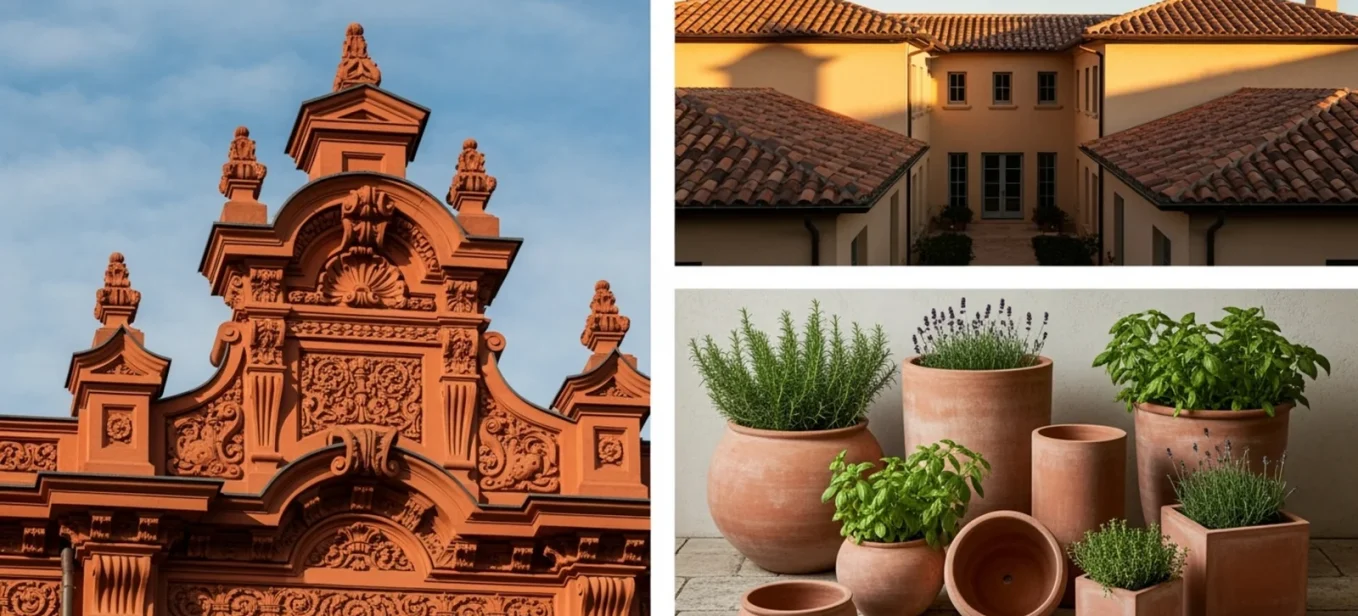
Terra cotta is a longstanding building material, prized for its warm colors and strong nature. This fired clay element has gained popularity for its aesthetic appeal and characteristic durability.
Used for thousands of years — from ancient Harappan settlements to the decorative facades of 19th and 20th-century buildings — this “baked earth” remains a popular choice in architectural design.
Still, terra cotta can wear out over time because of weather and other forces. The restoration process for terra cotta surfaces needs a careful approach to bring back their look and help them last.
This guide provides essential information covering what causes damage, signs repairs are needed, and detailed steps to help keep these unique surfaces in good shape.
What Damages Terra Cotta Surfaces?
Though terra cotta is known for its durability, it remains susceptible to damage from a range of environmental and structural factors.
Proper maintenance and restoration require specialized professional expertise, as terra cotta cannot be treated with conventional methods such as concrete patching or surface sealing. These approaches are incompatible with the material’s composition and can accelerate deterioration. Instead, all repairs must employ material-specific methods designed to preserve the unique properties of fired clay.
Understanding the common causes of damage is the first step in ensuring appropriate, professional intervention.
How Weather and Environment Cause Damage
Because terra cotta has significant water absorption properties, natural weathering is a common problem. Rain, temperature changes, and wind all play a role in the deterioration process.
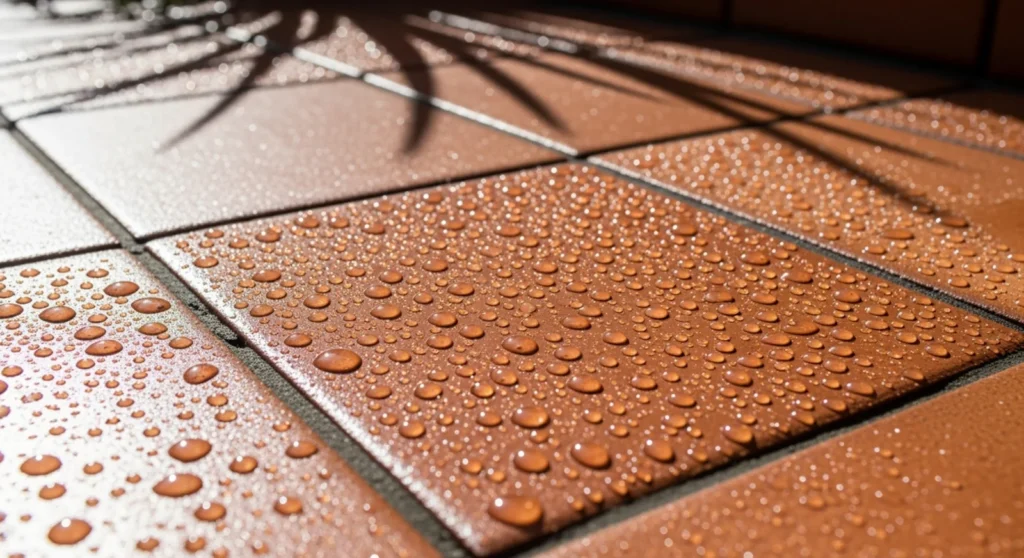
Water soaking into the material can freeze and expand when it gets cold, which then creates cracks and chips. This freeze-thaw cycle is especially hard on outdoor terra cotta and can expose the hollow interior of some architectural elements.
Pollution can stain the surface and cause chemical reactions that weaken the material. This process is particularly important to understand when planning restoration work.
Algae, moss, or other organic growth, especially in damp areas, hold moisture on the surface, speeding up the breakdown of terra cotta and making it look worse.
Common Types of Surface and Structural Problems
Terra cotta can show different kinds of damage. Some of the most common issues characteristic of this material are:
- Spalling: Layers peel or flake off, usually because water has gotten inside and then froze.
- Cracking: Caused by things like changes in temperature, building movement, or mistakes during installation.
- Efflorescence: White, powdery spots on the surface are caused by water bringing salts from inside the terra cotta to the surface. This is usually a warning sign that moisture is a problem.
Structural problems can also happen, especially with older buildings. For example, older terra cotta was sometimes attached using mild steel anchors, which rust over time and can expand, cracking the pieces they support.
Unlike solid stone elements, terra cotta’s hollow characteristic makes it more vulnerable to anchor-related damage.
Why Putting Off Repairs Can Make Things Worse
Delaying repairs often leads to bigger issues. Cracks and chips let more water in, which can make the terra cotta even weaker and could cause parts of it to break off. If the damaged pieces help support a structure, waiting too long could even create a safety hazard.
Damage also affects how the surface looks, which matters for buildings with unique or historic terra cotta details. The aesthetic value is an important consideration in any restoration project.
The longer you wait, the harder (and more expensive) it becomes to fix things so they look right again.
When Does Terra Cotta Need Repair?

Watching for early warning signs can save time, money, and headaches. It’s essential to select the right time for intervention. Fixing small issues early prevents them from turning into bigger repair jobs and helps maintain the entire architectural design.
How to Spot Common Problems
- Cracks: Look for fine lines or wider gaps across the surface. Hairline cracks may be harmless but should still be monitored, while bigger cracks or those near anchor points often mean more serious trouble.
- Spalling: Pieces of terra cotta look like they’re flaking away, with rough or pitted areas, or leftover bits that have fallen off. This characteristic damage pattern can expose the clay core and allow further water absorption.
- Efflorescence: White, chalky patches appear on the surface. These can often be wiped away but will return if the water source isn’t dealt with first. This process indicates ongoing moisture problems that require additional investigation.
When to Get a Professional Opinion
If you see wide cracks, deep spalling, or large areas covered in efflorescence, it’s best to contact an expert in the field of architectural restoration. They can check for hidden problems, like rusted anchors or structural weaknesses.
If your terra cotta is part of a historic building, a preservation specialist can also make sure repairs won’t affect its historical value and aesthetic integrity.
Repair Choices: Selecting the Right Professional
Even smaller jobs, like fixing little cracks or chips, benefit from professional assessment and handling. For bigger or more complicated damage, especially to structural or old surfaces, professional help is essential.
The general recommendation is to evaluate the entire scope before beginning any restoration process.
When a Pro Is Needed
You should get professional help if:
- major cracks or missing pieces threaten the strength of the structure
- spalling covers a large area or goes deep into the material
- there are problems with how the terra cotta is anchored or attached
- you can’t match the color or texture for a big, visible repair area
Experts have special tools for testing terra cotta, and they can use non-destructive methods to find serious problems without making things worse. They also know how to match colors and finishes for a smooth result and understand the characteristic properties of different clay types.
How to Repair Terra Cotta Surfaces: Step-by-Step
Fixing terra cotta requires a methodical, step-by-step approach carried out by qualified professionals. Conventional repair techniques, such as concrete patching or the application of surface sealants, are incompatible with terra cotta and can cause further harm.
Successful restoration depends on material-specific methods and careful attention to the characteristic properties of fired clay at every stage of the process.
Preparing and Cleaning the Surface
- Brush or wipe away loose dirt, dust, and growth with a soft tool. Use mild detergent if needed.
- Let surfaces dry completely before moving on.
- Remove any loose or broken terra cotta around the damaged area. Cut back to solid, undamaged material, if necessary, using a chisel and hammer.
- Dampen the area gently with water before applying new material-don’t soak it too much.
Essential Material Selection
- Missing Pieces: Significant replacements require custom-fabricated terra cotta units sourced from specialized manufacturers. For minor patching, pre-mixed terra cotta repair mortars specifically formulated for compatibility with fired clay bodies may be specified.
- Joint Repointing: Lime-based mortars should be selected with compressive strength not exceeding that of the adjacent terra cotta units, typically within the range of 350–750 psi. Where feasible, mortar composition should be informed by laboratory analysis of the original mortar.
- Critical Specification: All repair materials must maintain vapor permeability and exhibit thermal expansion coefficients consistent with those of fired clay to ensure long-term compatibility and performance.
Key Repair Techniques
- Surface Preparation: Remove loose material to sound substrate. Clean with low-pressure water and natural bristle brushes. Never use sandblasting or high-pressure washing on historic terra cotta.
- Crack Injection: For stable cracks, use lime-based injection grouts. For moving cracks, flexible sealants compatible with masonry substrates.
- Anchoring: Replace corroded steel anchors with stainless steel or bronze. Use helical ties or mechanical anchors appropriate for hollow terra cotta units.
Protection and Maintenance
- Water Management: Install or repair drip edges, flashing, and gutters. Terra cotta failure is almost always water-related.
- Avoid: Never use elastomeric coatings, acrylic sealers, or anything that creates a vapor barrier on terra cotta surfaces.
NYC Building Code and Regulatory Maintenance Requirements
- FISP/Local Law 11 Compliance: Buildings over six stories must have facade inspections every five years by a Qualified Exterior Wall Inspector (QEWI), with reports filed through DOB NOW: Safety within 60 days. Terra cotta conditions are classified as Safe, SWARMP, or Unsafe, with unsafe conditions requiring correction within 90 days.
- Building Code Standards: Terra cotta units must be at least 1 inch thick with engineered anchorage using a minimum of two non-corrosive anchors per unit. Maintain proper structural support and water-resistive barriers as required by the NYC Building Code.
- Permit Requirements: Structural terra cotta repairs require permits from a Registered Design Professional. Minor cleaning, sealant application, and emergency repairs (with 2-day permit filing) are generally permit-exempt.
- Landmarks Preservation Commission: Designated landmark buildings require LPC approval before any alterations. Testing that involves removing facade portions may need separate LPC permits.
- Property Maintenance Code: All terra cotta trim, cornices, and decorative features must be “maintained in good repair with proper anchorage and in a safe condition” with periodic weather protection applied.
- Emergency Procedures: Immediately notify the Borough Commissioner and install public protection (sidewalk sheds, fencing) upon discovering unsafe conditions. Document all conditions with photographs for compliance records.
How Nova Construction Can Help You
Our team brings years of experience in the field of architectural restoration, with particular expertise in clay-based materials. We understand that each terra cotta element requires careful consideration of its design, structural role, and aesthetic importance to the entire building.
Whether you’re dealing with solid structural elements or intricate architectural details, we provide solutions that honor the original craftsmanship while ensuring modern performance standards.
Contact Nova Construction Services today to discuss your terra cotta restoration needs.
Frequently Asked Questions
What Does Terra Cotta Repair Cost?
The price can vary a lot. Small cracks are cheaper to fix. Large repairs can be costly due to extra work (like putting up scaffolds) and the need for skilled labor. Materials that match color or texture closely can also add cost.
How Long Will Repairs Last?
Good repairs using the right products can last for many years — sometimes even decades — if the underlying problems are fixed, and regular maintenance is done. Quick fixes without solving the main issue may not last as long.
Weather conditions, especially in places with freezing winters or polluted air, mean some surfaces need more frequent checks and touch-ups.
Can All Terra Cotta Be Fixed?
Most terra cotta surfaces can be repaired, but how to do it depends on how badly they’re damaged and the kind of terra cotta. Decorative building pieces may need a specialist’s help, especially if they’re attached with old anchors or have special glazes.
Got a project in mind?
Let’s talk with Local Law 11 Experts about bringing your construction vision to life!
